

How to Write a Good Review for a Coffee Shop: Expert Tips and Guidelines
Share
A good coffee shop review tells readers four things in a few short paragraphs: how the coffee tasted, what the space felt like, how the staff treated you, and whether you would go back. Start with your verdict, back it with specific details (the drink you ordered, its flavor, the wait, the seating, the Wi-Fi and parking), and end with who the shop is best for. This guide shows you what to look for, the words to use and a template you can copy.
What makes a good coffee shop review?
A good coffee shop review evaluates the coffee, the ambiance, the customer service and any extras, and gives a clear recommendation. It helps other customers decide whether to visit, and it gives the shop useful feedback.
- Lead with the verdict: one sentence saying whether you recommend the shop and for what (a quiet work session, a quick espresso, meeting friends).
- Be specific: name the drink, describe its taste and temperature, and mention the price you paid.
- Cover the whole visit: coffee, food, atmosphere, staff, Wi-Fi and parking.
- Stay fair: be honest without exaggerating, and separate one bad moment from the overall experience.
What should you know about coffee before you write a review?
Knowing the basics of coffee beans and brewing methods lets you judge a coffee shop's main product accurately and describe it in words readers trust.
Types of coffee beans
The two main coffee species are Arabica and Robusta.
- Arabica beans have mild, nuanced flavors from fruity to chocolaty. They are generally considered higher quality and are the standard in specialty coffee shops.
- Robusta beans taste more bitter and stronger, with more caffeine. They are common in commercial coffee production, such as instant coffee and some espresso blends.
Origin also shapes flavor through altitude, soil and climate. Popular coffee-producing countries include Colombia, Ethiopia, Brazil, Costa Rica and Guatemala. An informed reviewer can mention where a shop sources its beans and whether its drinks show those flavors.
Brewing methods
- Drip coffee: water passes through grounds in a paper or metal filter, in an automatic or manual brewer. It is the standard American cup: clean and straightforward.
- Espresso: an espresso machine forces hot water under high pressure through finely ground coffee. Espresso is the base for lattes, cappuccinos and Americanos.
- French press: coarse grounds steep in hot water for about four minutes before a plunger separates them, giving a strong, full-bodied cup.
- Cold brew: grounds steep in cold water for about 12 to 24 hours and are filtered, giving a smooth, low-acid, slightly sweet coffee served cold.
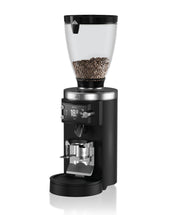
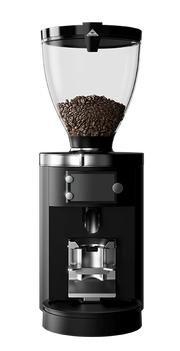
The equipment matters too. A shop with a well-maintained commercial espresso machine and a quality commercial espresso grinder pours more consistent drinks. Read how coffee shops make such good coffee for what happens behind the counter.
How do you describe a coffee shop's ambiance?
Describe the ambiance by covering the interior design, the noise level, and the lighting and music, then say who the space suits.
Interior design
Note the layout, furniture and decor. Is seating comfortable, with sofas, tables or a mix? Do the colors and textures feel cozy, modern or industrial?
Noise level
Listen to conversations, the espresso machine and grinder, and the street outside. Say whether the shop is lively, calm, too loud to work in or too quiet for a chat.
Lights and music
Is the lighting bright and energizing or dim and cozy? Does the music fit the space, and is the volume right? A good balance makes people stay.
How do you describe the aroma and flavor of coffee?
Describe coffee by its aroma first, then its taste profile and body, using specific words rather than "good" or "strong".
Aroma
Smell the cup before you drink and name what stands out:
- Floral: honeysuckle, rose or lilac.
- Fruity: citrus (orange, lemon), tropical (mango, pineapple) or berry (strawberry, blueberry).
- Nutty: almond, hazelnut or walnut.
- Spicy: cinnamon, clove or cardamom.
Taste profile
Judge the balance of sweet, bitter and sour, then name distinct flavors:
- Sweetness: honey, molasses or brown sugar.
- Aromatic wood: cedar, pine or sandalwood.
- Chocolate: dark, milk or white chocolate.
- Earthy: soil, mushroom or mineral notes.
Finish with mouthfeel and body: smooth, creamy, thin or astringent. For espresso, comment on the crema; for milk drinks, on the milk texture and latte art (see cappuccino art vs latte art). Palates differ, so specific descriptions help readers more than scores.
How do you judge a coffee shop's customer service?
Judge customer service on barista skill and on how staff treat customers.
Barista skills
- Technique: how baristas use pour-over, French press and the espresso machine.
- Consistency: whether temperature, taste and strength hold steady across drinks.
- Presentation: the look of each drink, including latte art.
Customer interaction
- Friendliness: how staff greet you, take your order and serve.
- Efficiency: whether the line moves and orders come out without a long wait.
- Knowledge: whether baristas can explain beans and brewing methods.
- Problem-solving: how staff handle complaints and special requests.
Excellent service can make up for average coffee, and poor service can ruin a great drink, so mention both.
Which extra services should a coffee shop review mention?
Mention Wi-Fi and parking, because remote workers, students and drivers decide where to go based on them.
- Wi-Fi: was it fast enough for browsing, video and work, easy to join (password or not) and stable through your visit?
- Parking: is there a dedicated lot, street parking or a nearby garage, and how hard is it to park at peak hours?
- Food and dietary options: pastries, sandwiches and desserts, whether they are made fresh, and options for dietary restrictions.
How do you write the final recommendation?
End with an overall impression that covers atmosphere, drinks and food, service and value for money, and says clearly whether you recommend the shop and for whom. A confident, neutral and clear tone makes the review more useful.
What is a simple template for a coffee shop review?
- Verdict (1 sentence): "A bright, quiet café with excellent single-origin pour-over; ideal for working mornings."
- Coffee (2–3 sentences): what you ordered, aroma, taste, body, temperature, price.
- Ambiance (1–2 sentences): seating, noise, lighting, music.
- Service (1–2 sentences): friendliness, speed, barista knowledge.
- Extras (1 sentence): Wi-Fi, parking, food.
- Recommendation (1 sentence): who should go and when.
What are the key aspects to consider when reviewing a coffee shop?
The key aspects are coffee quality, ambiance, customer service, food variety and quality, extras like Wi-Fi and parking, and value for money. Cover each briefly so the review is well rounded.
How long should a coffee shop review be?
A helpful coffee shop review runs about 6 to 10 sentences: long enough to cover coffee, atmosphere, service and extras, short enough to read on a phone. Use short paragraphs and put the verdict first.
Should you mention prices in a coffee shop review?
Yes. Mention what you paid for your main drink and whether it felt fair for the quality, portion and experience. Value for money is one of the first things readers look for.
Are you a coffee shop owner reading reviews?
Use reviews to spot patterns in drink consistency, wait times and service. If customers mention slow lines or uneven espresso, the fix is often equipment and workflow; see best commercial espresso machines for small businesses, best semi-automatic espresso machines, how to attract customers to a coffee shop and how to deal with difficult customers at a coffee shop.